
Skip to content
Open 24/7Free inspection
Call now (305) 555-0108
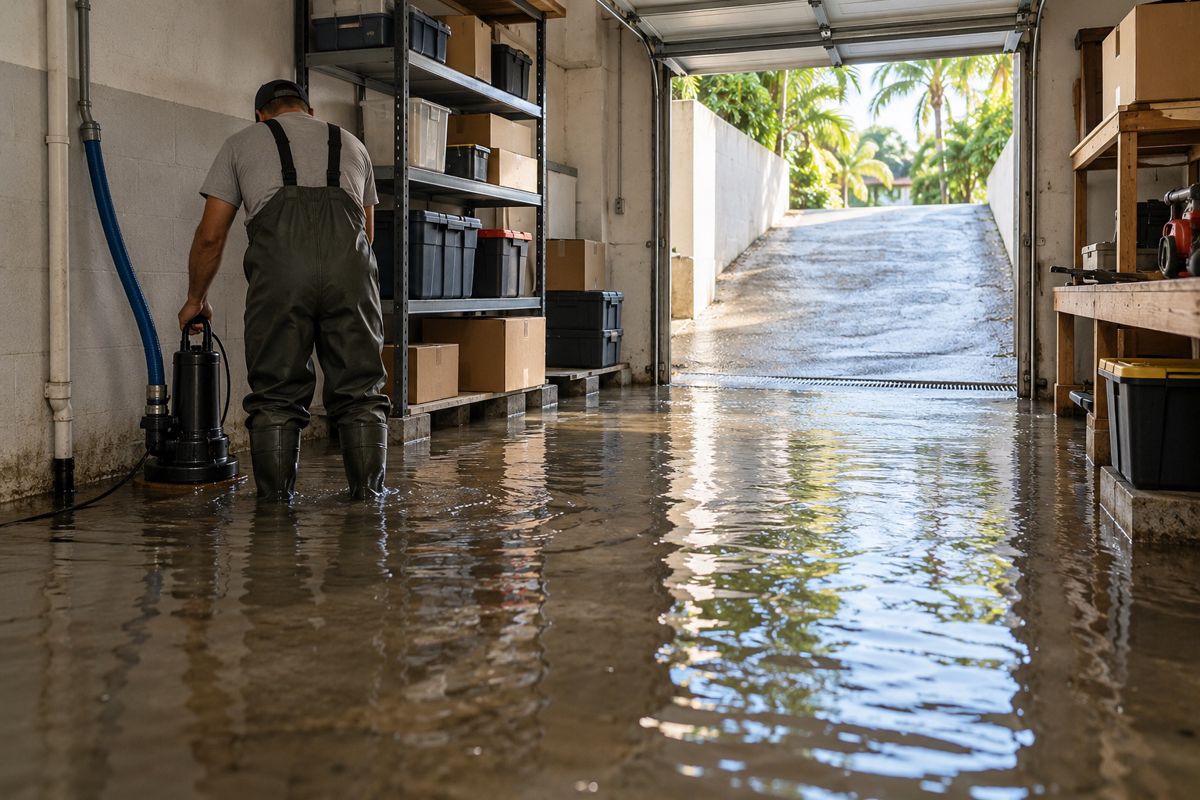
Technician pumping water from a flooded lower garage in Miami

Basement flooding in Miami, FL

Flooded basement cleanup in Miami, FL

Lower levels flood quickly and dry slowly. Call (305) 555-0108 to talk through a flooded basement, lower garage or failed sump pump.

  • Pumping, cleanup and drying for lower levels
  • Help with sump pump and drain failures
  • Written quote before work starts
What kind of damage?

Is water still coming in?

Do Miami homes have basements to flood?

Not many. Groundwater sits close to the surface across much of Miami-Dade, and the ground is porous limestone, so builders rarely dig full basements here. That does not mean flooded lower levels are rare. They show up in other forms:

  • Garages and storage rooms set below the street or driveway
  • Sunken living areas and split-level homes
  • Underground parking levels, utility rooms and elevator pits in condos and apartment buildings
  • The occasional older home or building with a cellar

This page covers all of these. If you are dealing with a flooded space below grade, the same approach applies: stop the source, pump the water, dry the structure and clean what is left.

What causes flooded lower levels and sump pump failures here?

Because groundwater is close, a low space can fill from several directions.

  • Heavy rain. Summer storms can overwhelm drains and push water down ramps and stairwells.
  • Power loss. A storm that knocks out power also stops a sump or ejector pump.
  • Pump failure. A worn motor, a stuck float or a clogged discharge line can stop a pump even when power is on.
  • High groundwater and tidal influence. In low coastal areas, high tides and saturated ground can send water up through floor drains and cracks.
  • Blocked drains. Debris in a floor drain or yard drain sends water back inside.

If the water smells like sewage or came up through a drain, treat it as contaminated and see sewage backup cleanup.

What does flooded basement cleanup involve?

The crew first checks that the space is safe, including electrical hazards and whether the water might be contaminated. Pumps then remove the water. In a deep flood, water may be removed in stages rather than all at once, because saturated ground can push against walls and floors.

After pumping, the crew removes wet contents and materials that cannot be saved, such as carpet, pad and wet drywall. The pump system or drain is checked so the problem does not repeat. Then the structure is dried with dehumidifiers and air movers, which is the work described on our structural drying page. Surfaces are cleaned and sanitized where the water was dirty.

Because lower spaces are enclosed and humid, drying matters as much as pumping.

We quote in writing once we have seen the space. Prices depend on the depth and volume of the water, whether it was clean or contaminated, the amount of material to remove, access to the area, and how long drying equipment must stay. A shallow flood in a garage is a different job from a flooded parking level.

Timing varies too. Pumping may take hours, while drying a slab and wall base often takes several days. We do not give exact times before seeing the damage.

If a pump or drainage system failed, repair or replacement is a plumbing or drainage job on top of cleanup. Your insurer may treat it differently from the water damage itself, so ask what your policy covers, and whether a flood policy applies.

When should you call, and how do you prepare?

Call as soon as you find water in a lower space, especially if it is still rising or you cannot tell where it is coming from. Do not enter standing water if it may be near live electrical equipment.

Ahead of storm season, a few steps help:

  • Test your sump or ejector pump by pouring in water and watching it run
  • Clear drains and discharge lines
  • Ask a plumber about a battery backup for the pump
  • Keep stored items off the floor on shelves

If flooding has already happened, call (305) 555-0108 and we will explain what to do next. See the home page for everything else we handle.

What you can expect

1

Open 24/7

2

Free inspection

3

Insurance claim help

4

Certified

How it works

  1. Call for help

    Tell us what happened and whether water is still coming in.

  2. Crew arrives

    We stop the source, extract water and set up drying.

  3. Restored

    Documentation for your insurer at every step.

Request basement flooding

Tell us what you need and we call you back.

No obligation.

What kind of damage?

Is water still coming in?

Questions about water damage restoration in Miami

Is a flooded garage the same as a flooded basement?

The cleanup steps are very similar. A lower-level garage or sunken room needs pumping, removal of wet materials, drying and cleaning. In Miami these spaces are far more common than true basements. If the water came from a drain or sewer line, it needs sanitizing as well.

My sump pump stopped during a storm. What should I do?

Stay out of the water if it is near electrical equipment. If you can do so safely, turn off power to the area. Call us to remove the water, and call a plumber to inspect the pump, float switch and discharge line. A pump that failed once can fail again.

Can I pump out the water myself?

For a small amount, a wet vacuum made for water can work if it is plugged into a safe outlet away from the water. For deep or fast-rising water, it is safer to let professionals handle it. Pumping too fast can also stress walls, and contaminated water needs protective gear.

Will mold grow after a flooded lower level?

It can. Enclosed, humid spaces stay damp for a long time, and mold may start within a day or two on wet materials. Removing wet items quickly and drying the structure well lowers the risk. If you already see or smell mold, ask about mold remediation.

Does insurance cover a flooded basement or garage?

It depends on the cause. A sudden plumbing failure may be covered under a standard policy, while rising water from storms or groundwater usually needs a separate flood policy. Pump failure coverage varies. Call your insurer before the cleanup is finished and keep photos of everything.

Ready when you are

Call now or request a quote online.

(305) 555-0108