Skip to content
Open 24/7Free inspection
Call now (305) 555-0108
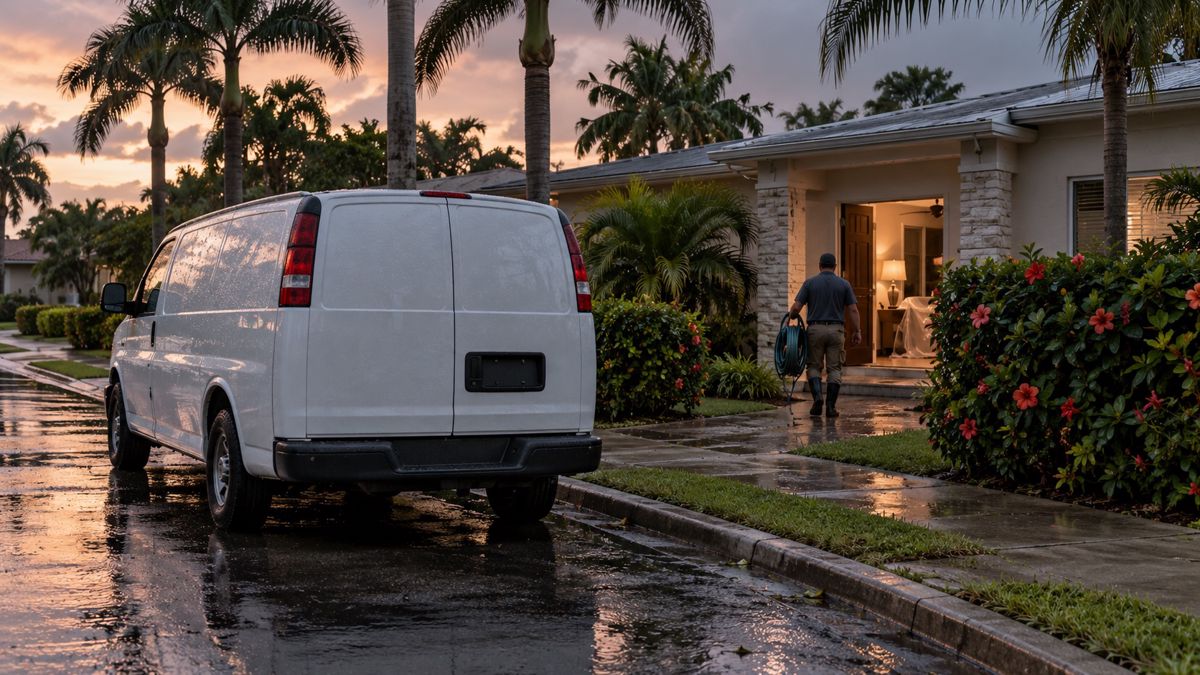
Stucco house on a wet Miami street with a service van outside

Older plaster homes under a heavy tree canopy

Water damage restoration in Coral Gables, FL

Careful extraction and drying for older Mediterranean-style homes, tile floors and plaster walls. Request a quote and we will confirm availability for your address.

  • Water extraction and structural drying
  • Sewage, basement and mold cleanup
  • Written quote before work starts
What kind of damage?

Is water still coming in?

Why older Coral Gables homes need a careful approach

Coral Gables was laid out in the 1920s and still has many homes from that era and the decades after it: stucco walls over block or masonry, clay barrel tile roofs, plaster interiors, arched doorways and hardwood or terrazzo floors. These materials are attractive, and they react to water in specific ways.

Plaster can soften and stain, oak floors can cup as they absorb moisture, and decorative tile or trim can be difficult to replace. For that reason, careful water removal and controlled drying usually matter more here than a quick dry-out that risks cracking or warping finishes you want to keep.

Tree roots, old pipes and storm leaks in the Gables

Streets lined with oaks, banyans and other large trees give the city its character, but roots also reach into old clay and cast iron drain lines and push into joints. Slow drains and sewage backups in older houses often trace back to a root intrusion in the lateral. Supply lines of galvanized steel or older copper can also corrode and leak behind walls or under slabs.

Heavy summer rain tests aging roofs. Clay tiles can slip, underlayment can fail, and water may appear in a ceiling far from the actual opening. Locating the entry point matters as much as drying what it soaked.
What we do for Coral Gables water losses

All five services are available, and each links to its own page.

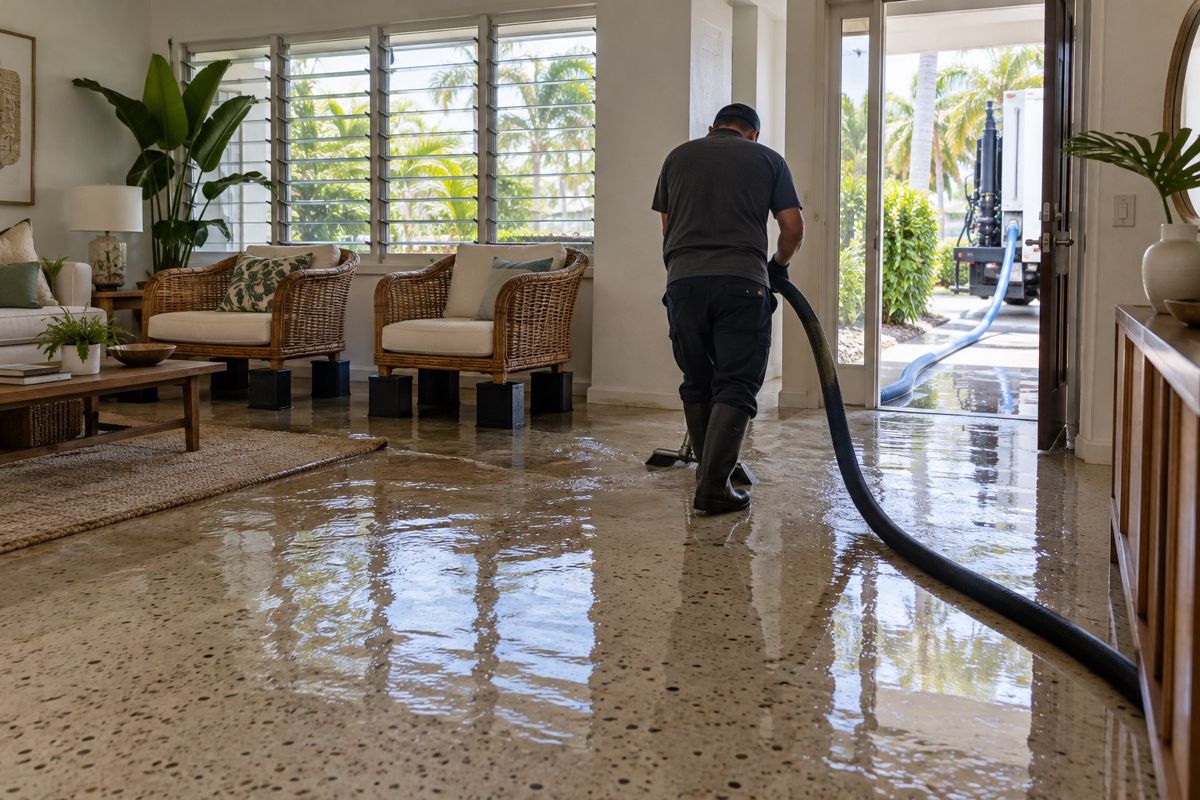
  • Emergency water extraction that lifts standing water from tile, terrazzo and carpet before it creeps into wood and plaster.
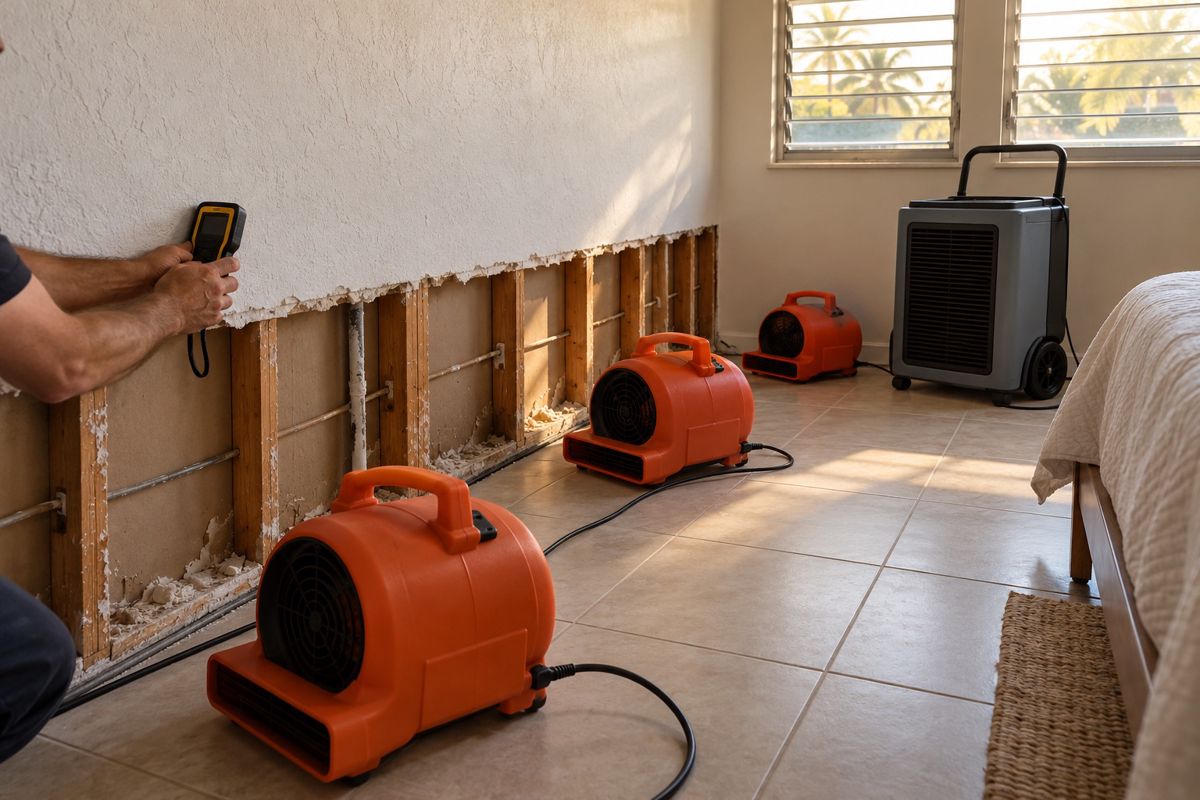
  • Structural drying that dries masonry, subfloors and wall cavities with measured, steady airflow.
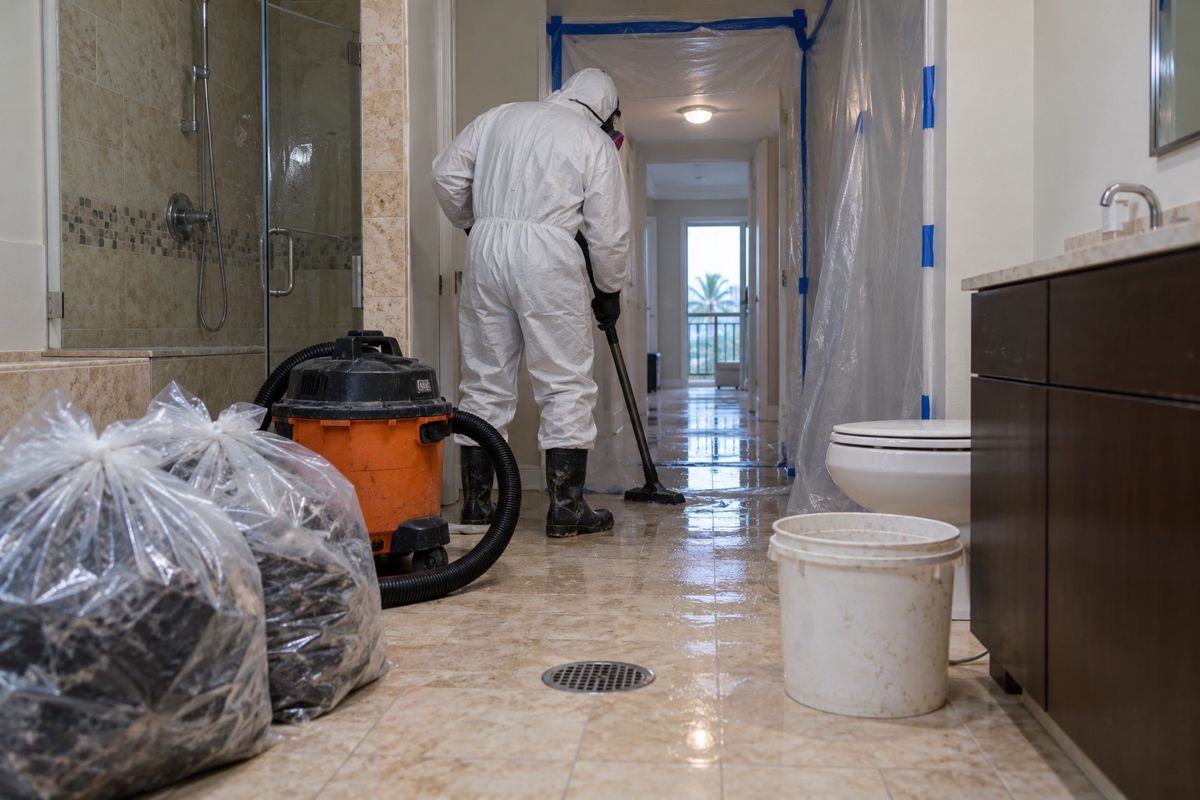
  • Sewage cleanup for root-related backups, with sanitizing of floors and fixtures.
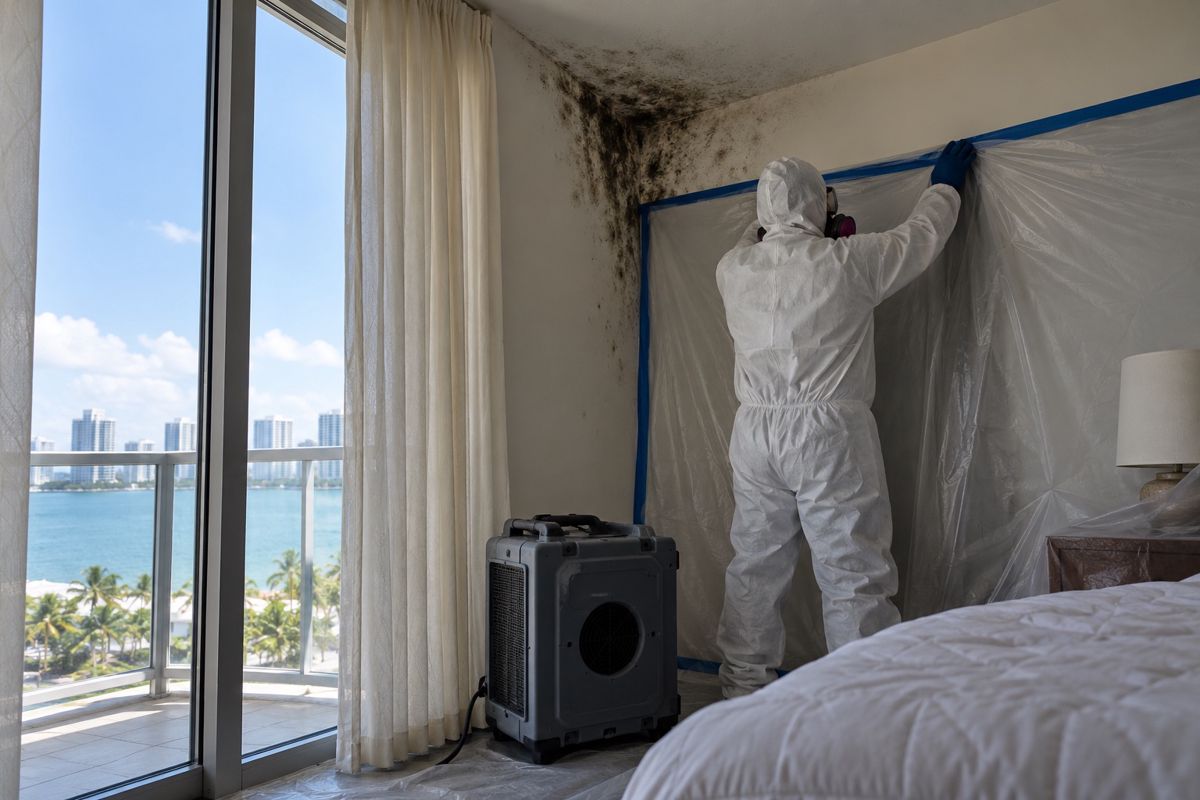
  • Mold remediation when moisture has been left in closets, behind furniture or in air handler spaces.
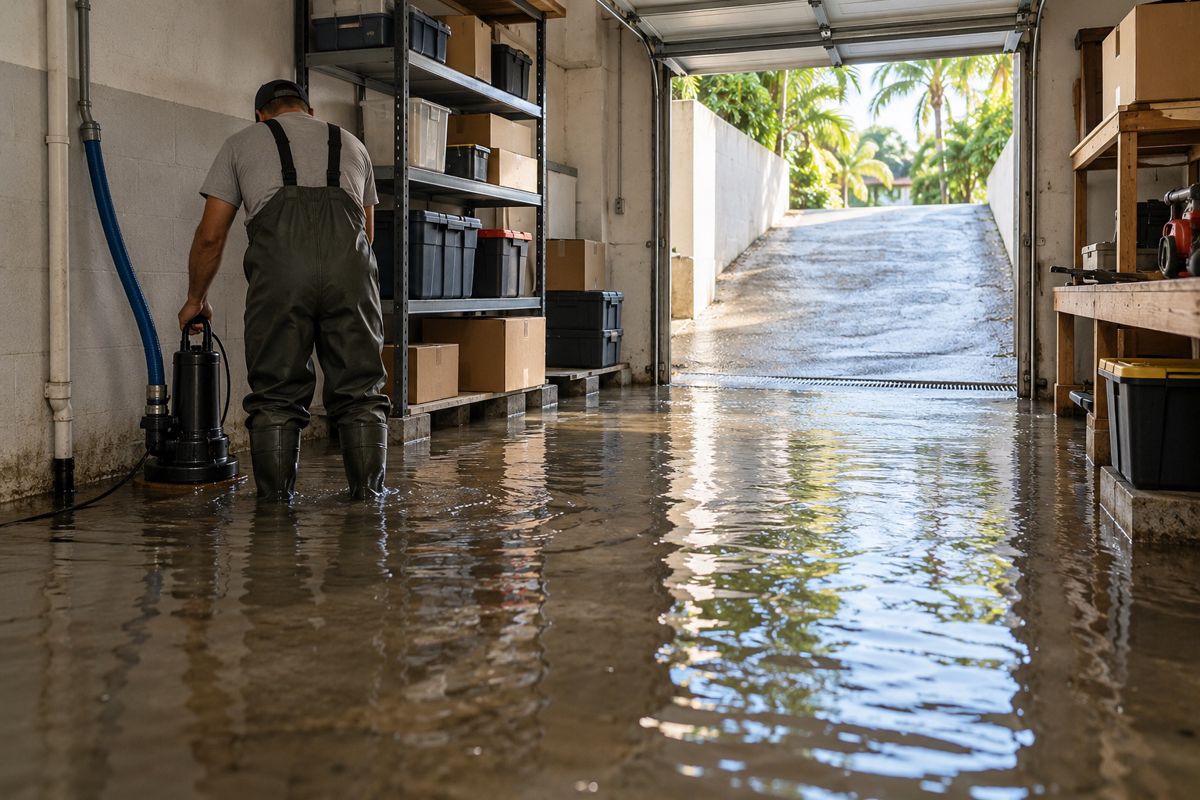
  • Below-grade cleanup for garages, wine rooms and lower-level storage that take on water.

Because older houses rarely have just one problem, we often combine two or three of these in one plan.

Some Coral Gables properties sit in historic or design-reviewed areas, where certain exterior changes may need approval. Ask the city or your architect whether that applies before you plan repairs. Our drying work generally stays inside the walls and does not alter the look of the house.

Records help with any claim:

  • Photograph damage before anything moves.
  • Keep receipts for emergency steps.
  • Note when the water started and how it was stopped.

We provide moisture readings and a written scope so your insurer can see what was found and what was done. Older wiring may also need attention.

What shapes the cost and the approach

General factors, not guesses, shape every Coral Gables job.

  • Source and category. Clean supply water is handled differently than drain or storm water.
  • Materials. Plaster, oak, terrazzo and tile have different drying limits.
  • Extent. A single room dries faster than a wet wall that continues to the next floor.
  • Access. Narrow driveways, canopy trees and gated drives can influence equipment staging.

Your written quote notes which of these apply to the house. Historic homes often have unusual layouts, so a walk-through with the owner helps us find closets, crawl spaces and old pipe chases where moisture hides. Ask your insurer early whether a specialist is required for antique finishes.

Sending a quote request from Coral Gables

We serve Coral Gables from Miami and do not have a shop there, so the request lets us confirm that we can reach you. Call (305) 555-0108 or use the form.

  1. Tell us where the water came from and how long ago.
  2. Describe the floors and walls that are wet.
  3. Send photos, including any visible stains on ceilings.
  4. We review them, then a technician inspects with moisture meters.
  5. You receive a written quote that lists the work in order.

If you plan to be at work during the visit, a neighbor or property manager can let the technician in. Tell us about alarms, dogs and gate codes ahead of time so nothing delays the inspection.

Get a quote in Coral Gables

Tell us what you need and we call you back.

No obligation.

What kind of damage?

Is water still coming in?

Questions about Coral Gables

Can plaster walls be saved after a leak?

Often, if the water is stopped and the wall is dried promptly. Plaster that has softened, bulged or stained may need patching. A technician checks moisture inside the wall before recommending anything, so you can see the reasoning before removal of any finish is proposed. Sometimes a skim coat or repainting is all that is needed once the wall has dried fully, though that depends on how long it stayed wet.

Will my hardwood floors cup after flooding?

They can, because wood absorbs water and expands unevenly. Fast extraction and steady drying reduce the risk, though some boards may still need sanding or replacement later. We monitor moisture and tell you honestly when a floor is likely to recover and when it is not. Leaving a wet floor covered by rugs or furniture traps moisture, so lift items away and let air move across the boards.

Why do my drains back up even though the pipes were fine?

Roots can enter joints in old clay or cast iron lines and slow flow, even when the pipes inside the house are fine. A plumber with a camera can confirm the cause. Once a backup occurs, sewage cleanup and sanitizing are needed, and we handle that part. Some homes also have old tree roots in the lateral that only a camera inspection will reveal.

Are clay tile roofs prone to leaks?

They can leak when tiles slip, flashing fails or the underlayment ages. Water may travel along rafters and show up far from the source. A roofer should locate and repair the entry point, while we handle drying and cleanup of the interior. Photographing the stain and noting when it grew after each storm gives the roofer a useful starting point and helps your insurer follow the story.

Does drying damage historic finishes?

Controlled drying is generally gentle, but we adjust airflow and heat to suit delicate materials. Tell us about original plaster, murals or antique floors so we can plan around them. Fast, careful drying often protects finishes better than waiting. In a house with original finishes, we often stage drying in steps and check readings daily, rather than running equipment at full strength from the first hour. That patience tends to protect what is irreplaceable.

Ready when you are

Call now or request a quote online.

(305) 555-0108