Skip to content
Open 24/7Free inspection
Call now (305) 555-0108
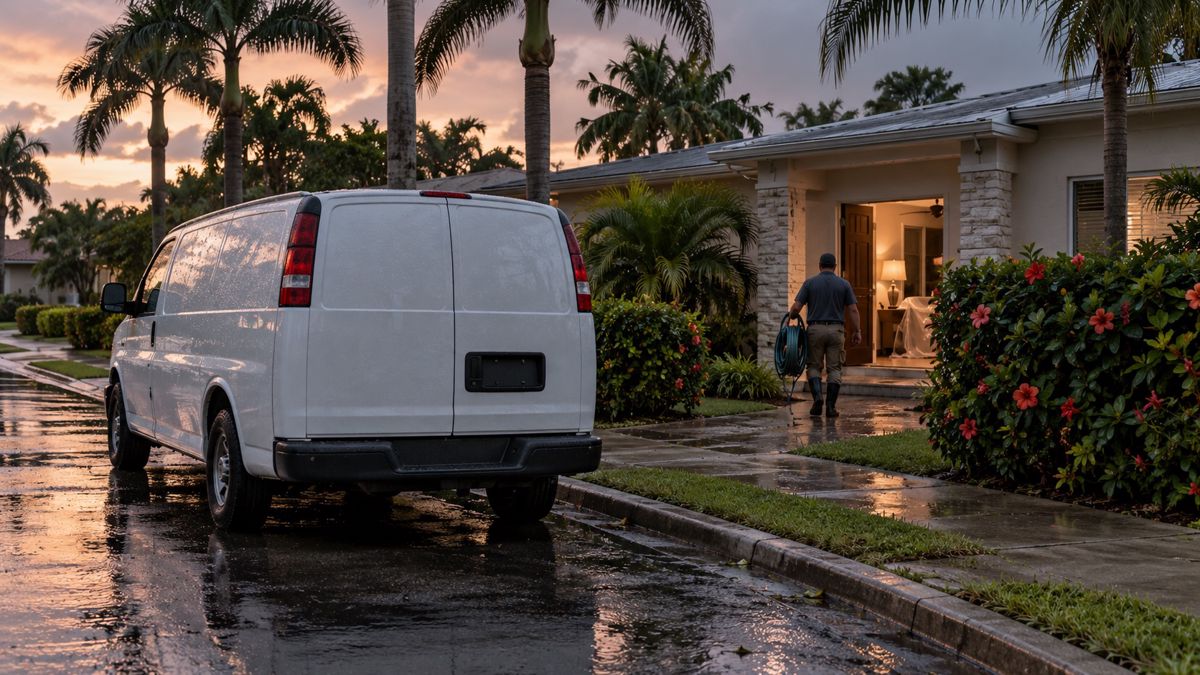
Stucco house on a wet Miami street with a service van outside

Mid-century homes near Biscayne Boulevard

Water damage restoration in North Miami, FL

Extraction, drying and mold work for mid-century houses, apartments and small businesses near Biscayne Boulevard. Request a quote and we will confirm availability.

  • Water extraction and structural drying
  • Sewage, basement and mold cleanup
  • Written quote before work starts
What kind of damage?

Is water still coming in?

North Miami homes and the age of their plumbing

North Miami lies between Biscayne Bay and the I-95 corridor, with Biscayne Boulevard and NE 125th Street as main routes. A lot of its housing was built in the middle of the last century: concrete block ranch houses, small apartment buildings, duplexes and low-rise complexes, along with newer infill. Plumbing and roofing in older buildings have often been repaired more than once.

Galvanized supply lines, aging water heaters and cast iron drains are the usual suspects when a leak starts. Older buildings may also have flat roofs and original windows, which let rain find a way in during a heavy summer storm.

Low ground, canals and Biscayne Bay rain

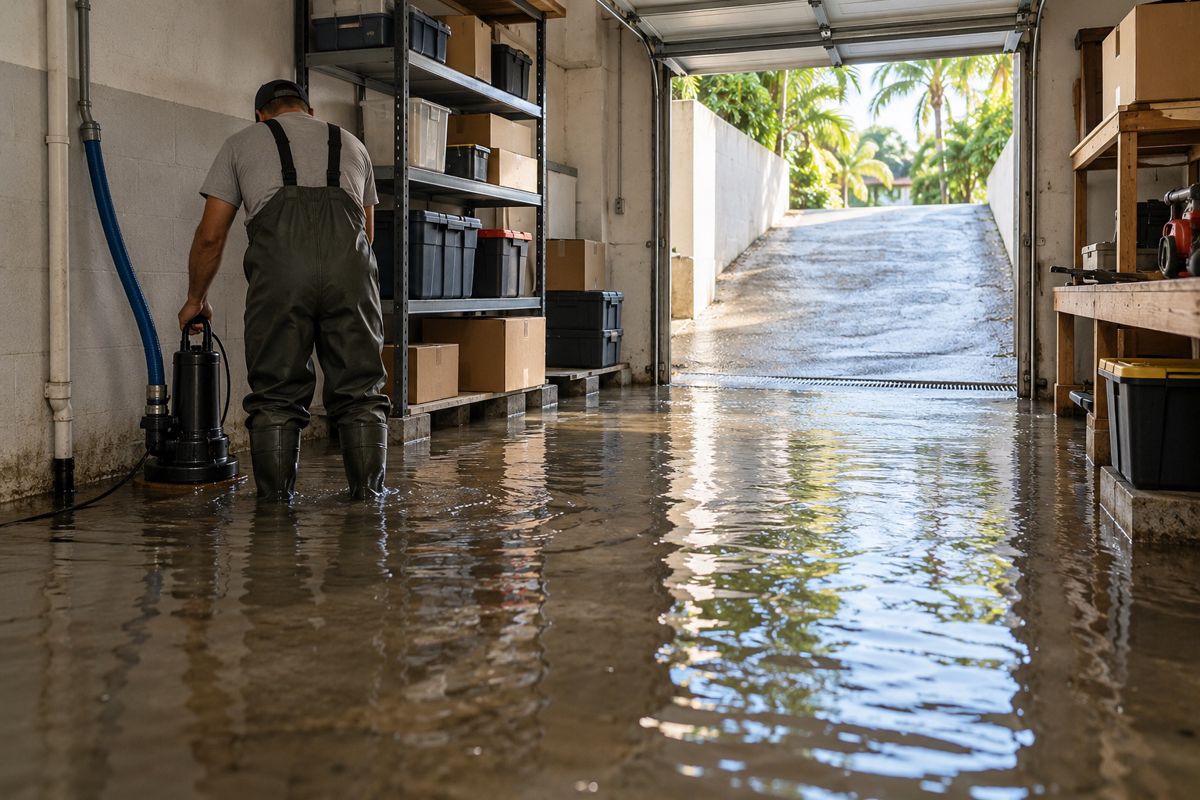
Much of North Miami is low and close to canals, and heavy rain can leave streets and yards under water. Properties near the bay and its canals may also see higher water during storms and king tides. Water that enters from outside is usually dirty and needs more than a simple dry-out.

Inside, the layout is often a slab with block walls, which holds moisture longer than people expect. Water seeps along the floor, wicks up baseboards and settles in cabinets. If a house has been closed up during a storm or while the owner was away, the humid air makes the situation worse and gives mold a chance to settle in.
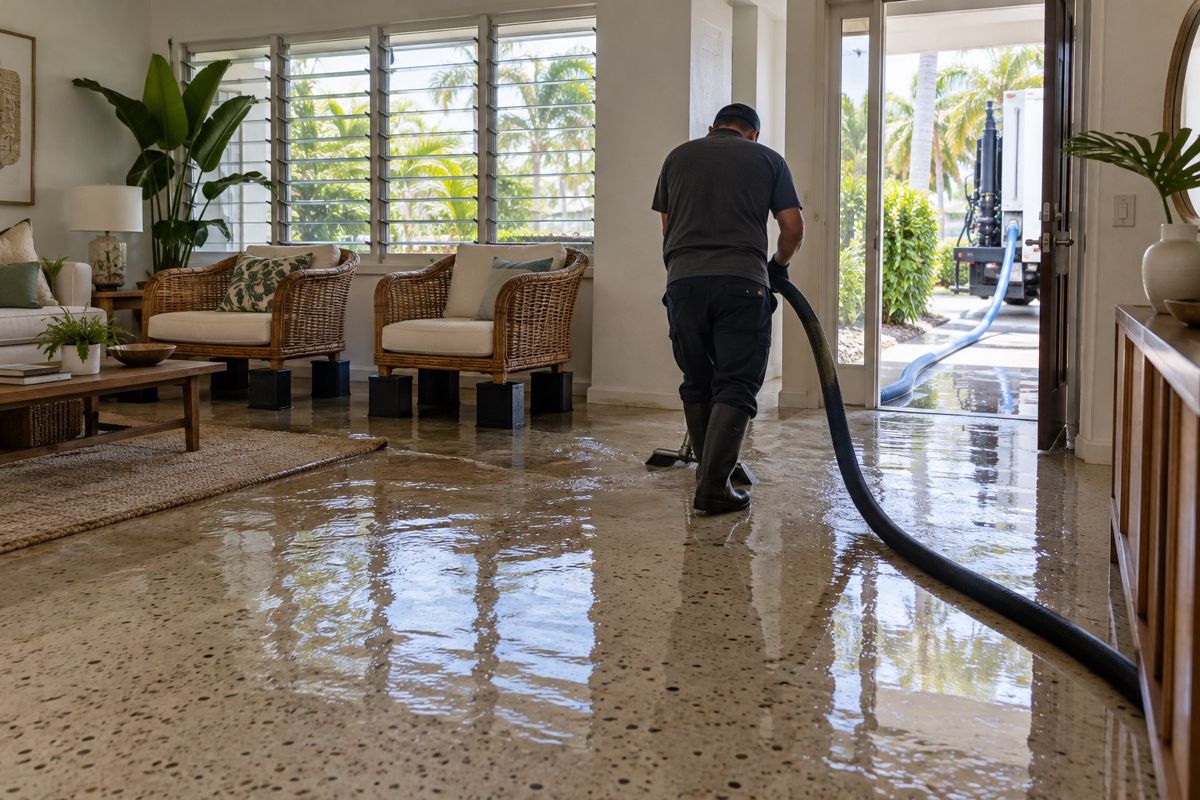
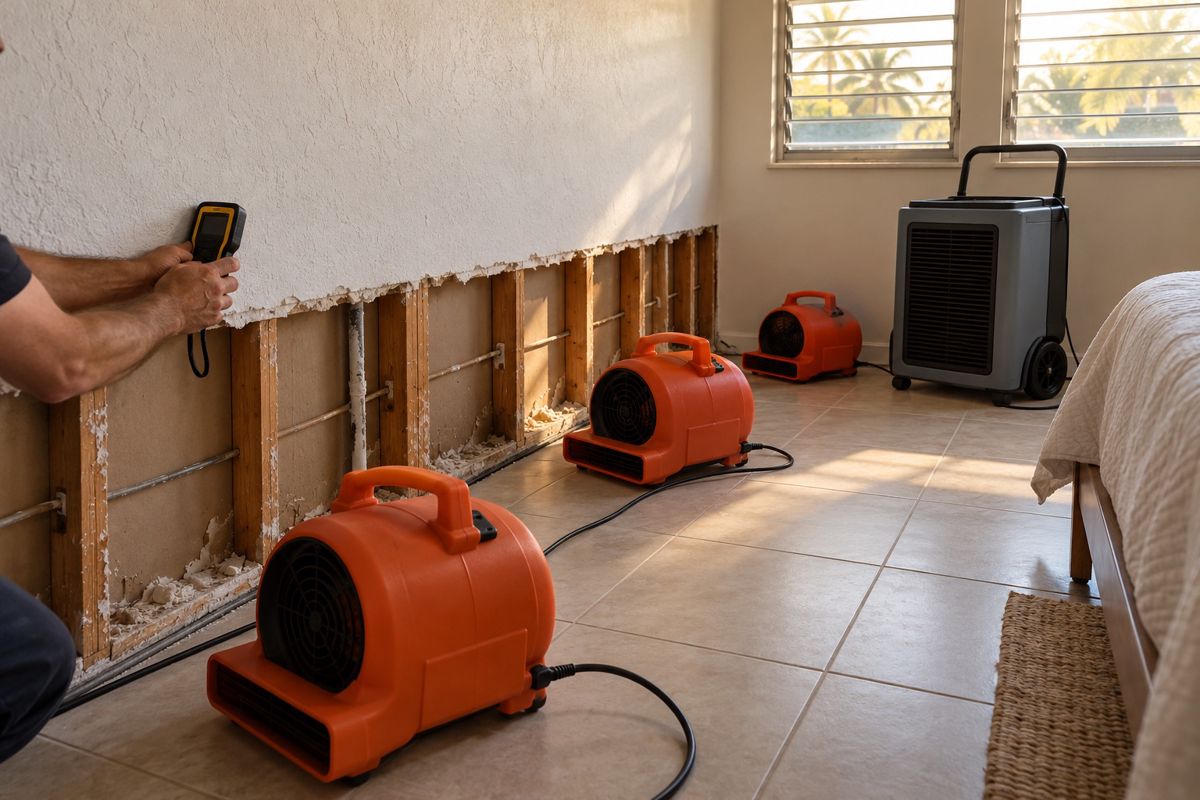
Water damage services we offer in North Miami

Each of these five services has its own page. In North Miami, several often come together.

A single flooded room can involve three or four of these steps, so we list them in order in the quote.

North Miami has many apartments and duplexes, and a leak there can involve several parties. A tenant may be the first to see the water, while the landlord controls the plumbing and the building's policy.

  • Tenants should report the leak in writing and keep copies.
  • Landlords should photograph every affected unit, including neighbors.
  • Managers should confirm who can authorize access and work.

We can inspect, extract and dry, and we give written records of what we found. We do not decide who pays, but clear records tend to speed up those conversations. Management should be informed first.

What shapes the plan, with no guesswork

The following general points affect any North Miami job.

Water type. Rain, canal water and sewage need different handling from a clean supply leak.

Building type. A block house, a wood-frame addition and a small apartment complex dry differently.

Time. The longer materials stay wet, the more likely they are to need removal.

Humidity. A closed, warm house slows drying and calls for stronger dehumidification.

The written quote explains how each point applies to your property. Older buildings can contain older materials, such as paint or insulation that need careful handling, so we ask about the building's age before cutting into anything.

How to request a quote from North Miami

We serve North Miami from Miami and do not have a shop there, so your request confirms we can reach you. Call (305) 555-0108 or use the form.

  1. Give the address and tell us what happened.
  2. Say whether the water came from the roof, a pipe, a drain or outside.
  3. Send a few photos of floors, walls and ceilings.
  4. We arrange an inspection with moisture meters.
  5. You receive a written quote, and work starts after you approve it.

If you need a call back at a particular time, say so in your message. We aim to work with your schedule, and the inspection can often be set when someone is home to point out the problem.

Get a quote in North Miami

Tell us what you need and we call you back.

No obligation.

What kind of damage?

Is water still coming in?

Questions about North Miami

Is canal or street flood water dangerous to clean up myself?

It can be. That water may carry bacteria and chemicals. Wear protective gear if you must enter, and keep children and pets away. Porous materials that soaked it are often removed. Professional cleanup and sanitizing is safer, and we can explain the steps. Do not mix cleaning chemicals, and wash hands thoroughly if you touch the water. Wet items should be photographed before disposal.

My apartment floor is wet but the source is unclear. Where do I start?

Check under sinks, around the water heater, the refrigerator line and the air handler. If you cannot find it, shut off the water supply and see whether the meter still moves. Report it to the manager and ask us to inspect with moisture meters. Putting a bucket under any active drip and photographing the source gives a plumber a head start.

How long does it take a block house to dry?

It varies with the amount of water, the materials and the humidity, so we avoid fixed promises. Block and concrete release moisture slowly. We use dehumidifiers and air movers and take readings until walls and floors reach normal levels. Concrete is dense and can hold water for a long time after the surface feels dry, so we monitor readings and adjust equipment instead of setting a date in advance. Humidity outside affects the pace too.

Can sewage backup be caused by something other than my pipes?

Yes. Blockages in the line outside the house or in the shared system can push waste back into your fixtures, especially after heavy rain. A plumber can find the blockage. Cleanup should follow quickly, because sewage is unsanitary and needs proper handling. Heavy rain can overload shared lines, which is why backups sometimes happen during storms even when the home's plumbing is sound.

Should I move out during drying?

Sometimes, depending on the size of the loss, the noise and the presence of contaminated water. Equipment runs for a while, and some rooms may be sealed. We discuss it during the inspection, taking into account children, pets and health needs. Short stays elsewhere are common while equipment is running, and we will say plainly if a room is unsafe. The decision about staying or leaving is yours.

Ready when you are

Call now or request a quote online.

(305) 555-0108